
Epoxy vs Polished Concrete: Which Flooring is Right for You?
- Amarillo Custom Coatings
- 4 days ago
- 4 min read

When it comes to choosing the perfect flooring for your home or business, the options can feel overwhelming. Two popular choices that often come up are epoxy flooring and polished concrete. Both offer durability and style, but they have distinct qualities that might make one a better fit for your space. I’m here to walk you through the differences, benefits, and considerations so you can make an informed decision that suits your needs.
Understanding Epoxy vs Polished Concrete
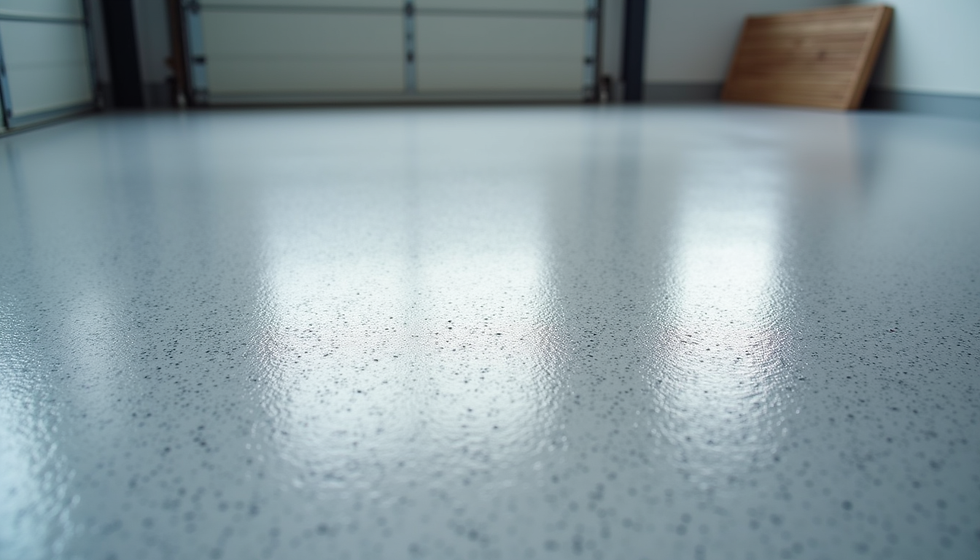
Let’s start by breaking down what each flooring type actually is. Epoxy flooring is a coating made from a mixture of resin and hardener. When applied, it creates a thick, glossy surface that bonds tightly to concrete floors. It’s known for its vibrant colors and ability to resist stains and chemicals.
Polished concrete, on the other hand, is all about enhancing the natural concrete slab. The surface is ground down with diamond polishing tools to create a smooth, shiny finish. It’s sealed to protect against dust and wear but keeps the raw, industrial look of concrete.
Both options are popular in Amarillo and the wider Texas Panhandle because they handle the region’s climate and heavy foot traffic well. But they do have some key differences you’ll want to consider.

Key Benefits and Drawbacks of Each Flooring Type
Epoxy Flooring
Pros:
Durability: Epoxy is highly resistant to scratches, stains, and chemicals, making it ideal for garages, workshops, and commercial spaces.
Customization: You can choose from a wide range of colors, patterns, and even add decorative flakes or metallic effects.
Easy Maintenance: Cleaning epoxy floors is simple—just sweep and mop regularly.
Water Resistance: Epoxy creates a waterproof barrier, protecting the concrete underneath.
Cons:
Installation Time: It requires proper surface preparation and curing time, which can take several days.
Slipperiness: When wet, epoxy floors can be slippery unless anti-slip additives are used.
Susceptible to UV Damage: Prolonged exposure to sunlight can cause yellowing or fading.
Polished Concrete
Pros:
Natural Look: Polished concrete offers a sleek, modern aesthetic that highlights the raw beauty of concrete.
Low Maintenance: It’s easy to clean and doesn’t require waxing or coatings.
Long-Lasting: Polished concrete is extremely durable and can last for decades with minimal upkeep.
Eco-Friendly: Since it uses the existing concrete slab, it’s a sustainable flooring option.
Cons:
Cold and Hard: Concrete floors can feel cold underfoot and are unforgiving if you drop something.
Limited Color Options: While stains and dyes can be added, the color range is more muted compared to epoxy.
Potential for Cracks: Existing cracks in the concrete may show through the polished surface.

Which is better, polished concrete or epoxy?
This is a question I get asked a lot, and honestly, the answer depends on your specific needs and preferences. If you want a floor that’s highly customizable and resistant to chemicals or heavy wear, epoxy might be the way to go. It’s especially great for garages, industrial spaces, or areas where you want a pop of color.
If you prefer a natural, minimalist look with a smooth, reflective finish, polished concrete is a fantastic choice. It’s perfect for modern homes, retail stores, or offices where you want a clean, professional appearance without the need for frequent recoating.
Here are a few questions to ask yourself:
Do you want a floor that stands out with color and design, or something more understated?
How much foot traffic and wear will the floor endure?
Are you concerned about maintenance and cleaning?
What’s your budget and timeline for installation?
Answering these will help you decide which flooring suits your lifestyle and space best.
Practical Tips for Installation and Maintenance
No matter which flooring you choose, proper installation and care are key to getting the most out of your investment.
For Epoxy Flooring:
Surface Preparation: The concrete must be clean, dry, and free of cracks or oils. This might involve grinding or etching the surface.
Professional Application: Hiring experienced installers ensures the epoxy is applied evenly and cures properly.
Use Anti-Slip Additives: Especially in areas prone to moisture, this will keep your floor safe.
Regular Cleaning: Sweep and mop with mild detergent to keep the floor looking fresh.
For Polished Concrete:
Assess the Concrete Condition: Polishing works best on solid, crack-free slabs.
Hire Skilled Professionals: Polishing requires specialized equipment and expertise.
Seal the Surface: A good sealer protects against stains and dust.
Routine Dust Mopping: Keeps the floor clean without damaging the finish.
Both flooring types benefit from prompt attention to spills and avoiding harsh chemicals that could damage the surface.
Making Your Flooring Choice with Confidence
Choosing between epoxy flooring and polished concrete doesn’t have to be stressful. By understanding the strengths and limitations of each, you can pick a floor that fits your style, budget, and practical needs.
If you’re in the West Texas Panhandle and want a durable, stylish floor that stands up to Amarillo’s unique environment, both options are excellent. Whether you lean toward the vibrant, customizable look of epoxy or the sleek, natural appeal of polished concrete, you’re investing in a floor that will serve you well for years.
For those who want to explore more about epoxy flooring vs polished concrete, I recommend reaching out to local experts who understand the climate and wear patterns specific to this region. They can provide tailored advice and professional installation to ensure your floor looks great and lasts long.

Remember, your floor is the foundation of your space’s look and feel. Taking the time to choose wisely means you’ll enjoy a beautiful, functional surface that welcomes you every day.


Comments